
Preparing Your Home Boiler for Winter: The Ultimate Checklist
As the vibrant autumn foliage begins to fade and a familiar chill settles over the Southampton area, homeowners know it is only a matter of time before freezing temperatures arrive. There is nothing quite like the cozy comfort of radiant heat during a snowy evening, but that comfort depends entirely on a reliable heating system. Waiting until the first major freeze to test your equipment is a common pitfall that can lead to stressful, expensive emergency repairs.
Learning how to prepare boiler heating for winter is one of the most valuable things you can do for your home. Pre-season preparation not only ensures your family stays warm, but it also helps your system run efficiently, keeping your seasonal energy bills in check. The fluctuating costs of energy and equipment mean that taking care of what you have is a top priority for most households.
If you have ever found yourself shivering in a cold house waiting for a technician, you know exactly why proactive care matters. A well-maintained system simply performs better and lasts longer. Whether you live in a historic home with older cast-iron radiators or a newer build with modern baseboard heating, spending a little time on your system now will pay off all season long. In this guide, we will walk you through the essential steps to get your equipment ready for the long winter ahead, ensuring you can enjoy a warm, stress-free season.
Understanding the Warning Signs
Before you even start working through a maintenance checklist, it is important to understand what a healthy system sounds and looks like. One of the most frequent questions we hear from homeowners is, "why is my home boiler making noise?"
If you turn your system on for a test run and hear strange sounds, it is usually your equipment's way of asking for help. A loud banging or rumbling sound, often referred to as "kettling," frequently indicates that mineral deposits and limescale have built up inside the heat exchanger. This restricts water flow, causing the water to boil and turn into steam, which creates that unmistakable rumbling noise.
You might also hear a gurgling or whistling sound coming from your radiators or the pipes themselves. This is typically a sign that trapped air has made its way into the heating loop. Air bubbles prevent hot water from circulating properly, which is why you might notice that a radiator is hot at the bottom but completely cold at the top.
Beyond unusual noises, pay attention to how your home feels. Are some rooms sweltering while others remain chilly? Uneven heating often points to circulation issues or a failing thermostat. Catching these warning signs early—before the system is under the immense strain of a deep January freeze—gives you plenty of time to address the problem without the premium cost of emergency hvac troubleshooting.

Your Boiler Maintenance Checklist Before Winter
To ensure your home remains a warm refuge, you should complete a thorough boiler maintenance checklist before winter fully sets in. While some tasks require a professional touch, there are several simple things you can do yourself to get your system in top shape.
First, perform a trial run. Turn your thermostat up a few degrees higher than the current room temperature and wait for the system to kick on. Walk through your home and check every radiator or baseboard unit to ensure they are getting warm.
Next, bleed your radiators. If you noticed uneven heating or heard that gurgling sound we mentioned earlier, you likely have trapped air. Using a radiator key, carefully open the valve on the side of the radiator just enough to hear a quiet hissing sound. Hold a small cup or towel underneath to catch any drips. Once water starts flowing steadily without sputtering, close the valve. This simple task restores efficiency and ensures even heat distribution.
You should also check the pressure gauge on the main unit. Most residential systems should sit somewhere between 12 and 15 PSI when cold. If the pressure is too low, the system will struggle to push hot water to the highest points in your home. If it is too high, it could lead to excessive strain on the pipes and valves.
Take a walk around the equipment and clear any clutter. Over the summer, basements and utility rooms often become storage areas. Ensure there is a clear perimeter around your heating system so it has adequate airflow and is easily accessible for servicing.
Finally, do a visual inspection for leaks. Even a tiny drip near a valve or pipe connection can blossom into a major headache once the system is running continuously. While you are winterizing the rest of your home—like shutting off the outdoor spigot to prevent frozen pipes—make sure the water lines directly connected to your heating system are insulated and secure.
If you rely on Oil & Propane Heating, now is also the perfect time to check your fuel levels and schedule a delivery. The last thing you want is to run dry in the middle of a snowstorm. Ensure the path to your fill pipe is clear of debris and easily accessible for the delivery driver.
The Value of Professional Maintenance
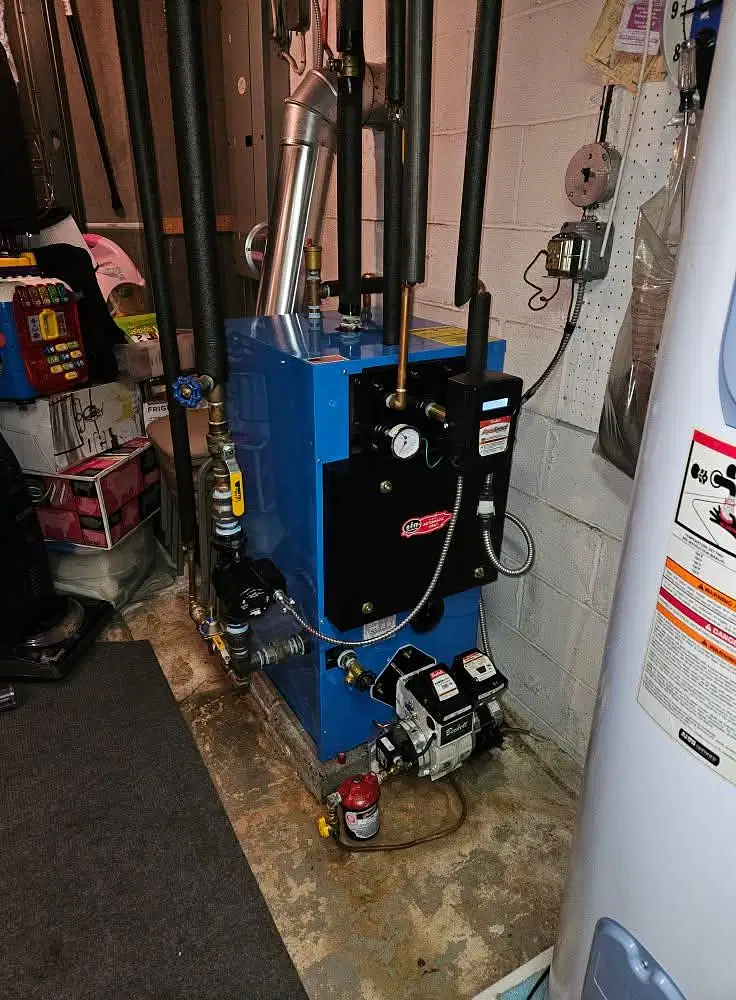
While bleeding radiators and checking pressure gauges are excellent proactive steps, nothing replaces a comprehensive tune-up from an experienced professional. Modern heating systems are complex, and keeping them running safely requires specialized knowledge.
During a professional maintenance visit, a technician will clean the burners, inspect the heat exchanger for structural integrity, test all safety controls, and ensure that the electrical connections are secure. They can also calibrate your thermostat and verify that your system is operating at peak efficiency, which goes a long way in lowering those winter heating bills.
At New Gen Mechanical, we believe in taking the time to do the job right. We know that many homeowners on the Main Line and throughout the surrounding communities value transparency, fair pricing, and technicians who show up when they say they will. We pride ourselves on being reliable, honest, and treating your home with the utmost respect. Instead of rushing to finish a job, we focus on dedicated craftsmanship and building lasting relationships with our neighbors.
If you are ready to ensure your home is fully prepared for the cold weather, we are here to help. Explore our comprehensive Boiler Services to learn more about how we can keep your system running smoothly all season long. Don't wait for the first freeze to find out your equipment needs help. Reach out through our Contact Us page today to schedule your pre-winter tune-up, and enjoy the peace of mind that comes from knowing you are in capable hands.